
Balancing Not Boosting Our Immunity
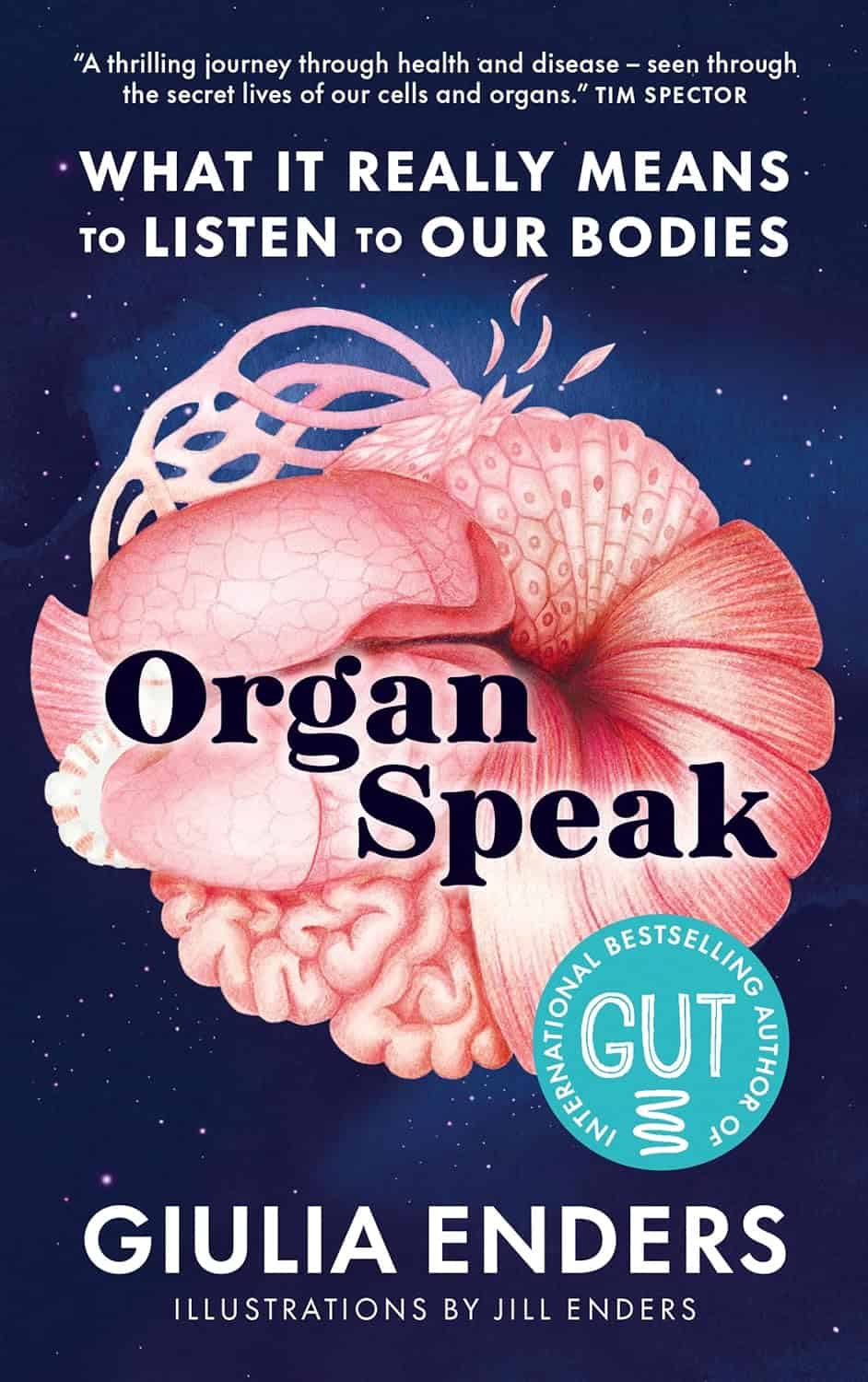
After recently listening to a ZOE podcast with Guilia Enders, I was struck by how she described the idea of the body’s orchestrated modes of communication, including the immune systems and how we should listen to how the body aims to heal from infection.
Guilia is German doctor and scientist who, after dedicating much of her life’s work to studying the gut and the fascinating world of microbes (and writing bestselling and groundbreaking “Gut”!) she realised that to truly understand the body and to help her patients, she couldn’t focus solely on the gut as our bodies are complex interconnected systems.
The Zoe episode was themed around immunity and Guilia spoke about how we often talk about boosting our immune system when, in reality, this isn’t necessarily the best thing we can be doing for our bodies. Instead of a stronger immune system, we need a balanced immune system. And I totally agree! The overreaction of an autoimmune disease, doesn’t need more input from our immune cells, but rather these need to be calmed and brought into balance.
She also spoke about the idea of symptom suppression which is something we tend to have a slight obsession with in Western conventional medicine. We often look at symptoms of illness as a sign of weakness, that our bodies have somehow failed us, when in actual fact these are clear signs that our bodies defence systems are working well. Take the common cold for instance: symptoms include a runny nose, a cough, sore throat and temperature, all signs that the body is fighting off the infection. These symptoms are created by our own bodies in response to infection not by the virus itself. But in the West we feel deep discomfort in letting these symptoms lie and often look to suppress them. Look how readily we give our children paracetamol at the first sign of a raised temperature, when in fact that raised temperature (to a point) is helping our children’s bodies to fight off the infection?
What I particularly enjoyed about Guilia’s discussion on the podcast was how nuanced her argument was. She recognised that we might want to use medication to suppress symptoms should they become uncomfortable, especially if it might impact sleep, which she argued was one of the most crucial times for our immunity when immune cells are produced and overnight repair takes place. She suggests it depends on the symptom, so for instance a decongestant that helps you sleep at night may be fine, but it’s worth being cautious about stopping symptoms that are actively fighting an infection, like diarrhoea which is the bodies way of clearing an infection, unless it becomes severe or dehydration is a risk.
I thoroughly enjoyed this thought provoking discussion. Balance over boosting immunity and supporting over suppressing our symptoms. Recognising that the body has an inherent drive to survive, and that science is at its most powerful when it works with that intelligence, not against it.
Dr Elizabeth Thompson