
Arnica: Ancient Remedy, Modern Evidence
In a recent webinar that NCIM hosted, we had two guest speakers joining us to explore one of the most widely recognised plants in natural medicine – Arnica. Dr Vivien Rolfe is a herbal researcher, health coach, and Academic Co-Director for NCIM Academy. She researches and writes about the health benefits of herbs and in her role as a health coach, specialises in supporting people living with pain and fatigue. She presented findings from an extensive scoping review of Arnica research.
Weleda’s Narissa Slater is an experienced Weleda Holistic Esthetician, who brought the clinical and practical picture to life. Together they offered a combination of rigorous science with hands-on clinical expertise.
What is Arnica?
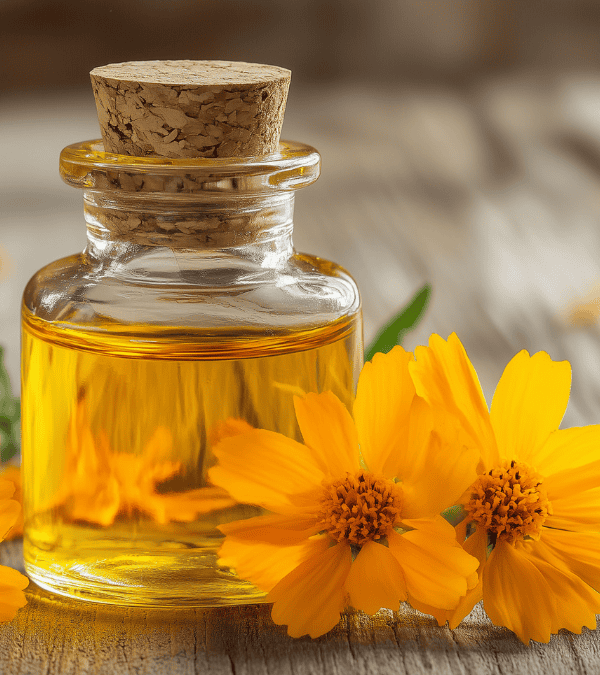
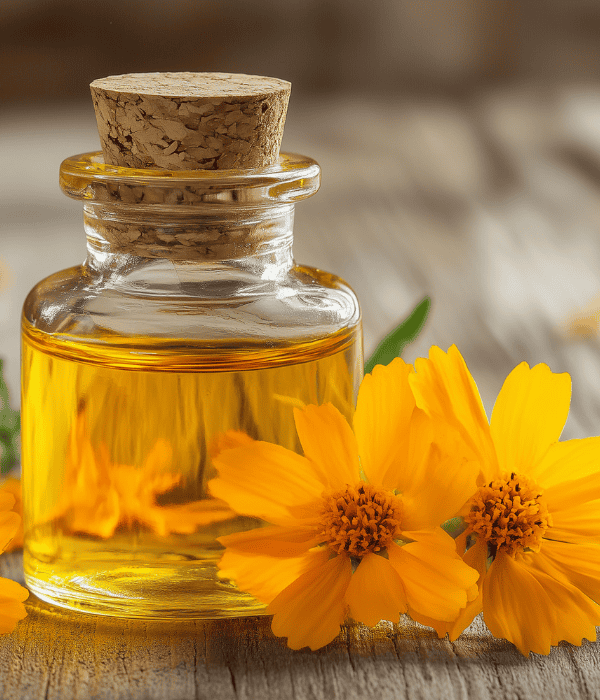
Arnica montana is a small, bright yellow flower in the daisy family, native to mountainous regions across Europe. It has been used for centuries across multiple traditions of herbalism, including Western herbalism, anthroposophical medicine and homeopathy. Its traditional applications have always centred on the same things: bruising, swelling, muscle injury and pain.
It is worth noting from the outset that herbal Arnica is toxic if ingested at anything other than a homeopathic dilution. It should not be applied to broken skin. Used correctly, however, in topical gels, oils, balms and homeopathic preparations, it has a well-established safety profile with no reported interactions with other medicinal products and documented use in patients with cardiovascular disease and diabetes.
The Research
Dr Rolfe’s scoping review was sponsored by Weleda, but they had no involvement in the research process itself and did not see the findings until they were presented at the end. The work took around eighteen months and covered clinical studies published up to January of this year.
A scoping review, is designed to map an entire research landscape rather than answer a single focused question. The aim was to identify what research existed, what topics had been studied and what patterns emerged. Only randomised controlled trials were included, with Arnica used as a single herb remedy. Studies using Arnica within a blend were set aside to keep the analysis clean.
Forty-six trials were identified in total. Just over half used homeopathic Arnica, taken orally as a tablet or sublingually. The remainder used phytotherapeutic Arnica, where the herb was applied topically in a gel, cream, oil or toothpaste.
The research landscape mirrored Arnica’s traditional uses closely. Pain relief, bruising and swelling dominated the studies, with arthritis, dental care, surgical recovery and muscle soreness among the most commonly researched conditions.
A recurring feature of the trials was comparison with conventional medicines, particularly non-steroidal anti-inflammatory drugs. The question being asked, repeatedly, was whether Arnica performed on a par with these established treatments.
For homeopathic Arnica, around 60 to 70 percent of trials showed results comparable to conventional medicine. For phytotherapeutic Arnica applied topically to joints and muscles, that figure was 100 percent. One key paper showed topical Arnica gel to be as effective as ibuprofen gel for osteoarthritis of the hand by day 21. Another, examining rhinoplasty recovery, found Arnica cream comparable to a conventional anti-inflammatory and anticoagulant in reducing bruising and swelling. Side effects were generally milder with Arnica than with the conventional comparators, though adverse events were reported in some studies.
Surgical recovery emerged as a particularly significant area. Arnica featured in studies covering bunion surgery, facial surgery, tonsillectomy, vein stripping, knee and hip replacement and carpal tunnel surgery. The pattern was consistent: for minor and day surgeries, Arnica showed meaningful benefit. For more serious surgical procedures, the results were less pronounced, and Dr Rolfe was clear that in those cases, conventional medicines remain necessary.
Dental care was another area of growing interest. Dental extractions are rising, including among children, for whom tooth decay and limited access to dental treatment is a serious public health concern. Several trials found homeopathic Arnica on a par with ibuprofen for post-extraction pain relief at multiple time points. Some studies also explored preventive use, giving Arnica to children in the days before extraction. Dentists in France are anecdotally known to recommend Arnica routinely to patients.
Sports recovery, while represented in the literature, has a thinner evidence base than the other areas. The trials that do exist, including studies on marathon runners and footballers, show Arnica had a positive effect on muscle soreness.
From Plant to Product: The Weleda Perspective
Weleda sources its Arnica from the Black Isle in Scotland and has been working with the plant for decades. Arnica can be seen as something of a gateway herb for people who have never considered natural medicine. People who would not otherwise think about homeopathy will reach for Arnica, experience its effect and find themselves open to exploring further.
Arnica is a mild irritant in its raw form, containing fine silica-like fibres that cause irritation on contact with skin. That same silica gives the plant extraordinary structural resilience. If you were to tread on an Arnica flower and lift your foot, the plant would bounce back. It does not yield to trauma. Those restructuring, reorganising properties, are precisely what we draw on when using Arnica for bruising, where it works to redistribute trapped blood and reduce both the appearance and the pain of a bruise.
One of the most practical sections of the evening focused on how to select the right Arnica preparation depending on where someone is in their recovery.
In the first 48 hours after an injury, when there is heat and acute inflammation, a cooling approach is appropriate. Gels and sprays are well suited here. They absorb quickly, generate no additional warmth through application and allow minimal contact with an area that is already sensitive.
After 48 to 72 hours, when the acute phase has passed and warmth needs to be brought back into the tissue, oils, ointments and balms become more appropriate. These require a degree of manual application, and that touch is itself therapeutic which is where we can see the connection of arnica to Anthroposophic Medicine.
Ita Wegman, who co-founded Anthroposophic Medicine with Rudolf Steiner and was herself a massage therapist. Wegman developed what is known as rhythmic massage, a slow, conscious, breathing-quality approach to touch that alternates between connection and release rather than applying constant pressure. It is not deep tissue work. It is something closer to an invitation to the body to find its own rhythm again.
The science behind this is compelling. Slow, gentle, skin-temperature contact directly stimulates the C-tactile nerves, which are closely connected to the parasympathetic nervous system. That means therapeutic touch does not only affect the physical. It resets the nervous system. It shifts someone out of a state of stress and into a state of recovery.
For people who are anxious, stressed or struggling with sleep, an arnica foot bath can also be very beneficial therapeutically. Anxious and stressed people often have cold feet as warmth distribution in the body is disrupted when someone is living primarily in their thoughts. A foot bath of seven to ten minutes is a straightforward and accessible way to bring that warmth back down, ground the person and create the conditions for rest.
Things to consider:
Despite promising research more clinical studies are needed. The existing body of evidence is promising, particularly for topical Arnica in pain and inflammation, and for homeopathic Arnica in dental and minor surgical contexts. But the evidence base needs strengthening before firm clinical recommendations can be drawn. They are the starting point from which more focused systematic reviews can be built.
Always buy from reputable suppliers. Arnica is an at-risk plant in the wild. Sustainable cultivation matters, and adulteration within herbal supply chains is not uncommon. Quality products from traceable sources make a meaningful difference to both efficacy and safety.
This blog post is based on a recent NCIM webinar featuring Dr Vivien Rolfe and Narissa Slater of Weleda. We host regular webinars on Integrative Healthcare. Details of upcoming events can be found at www.ncim.org.uk/events