
The Essence of Integrative Healthcare
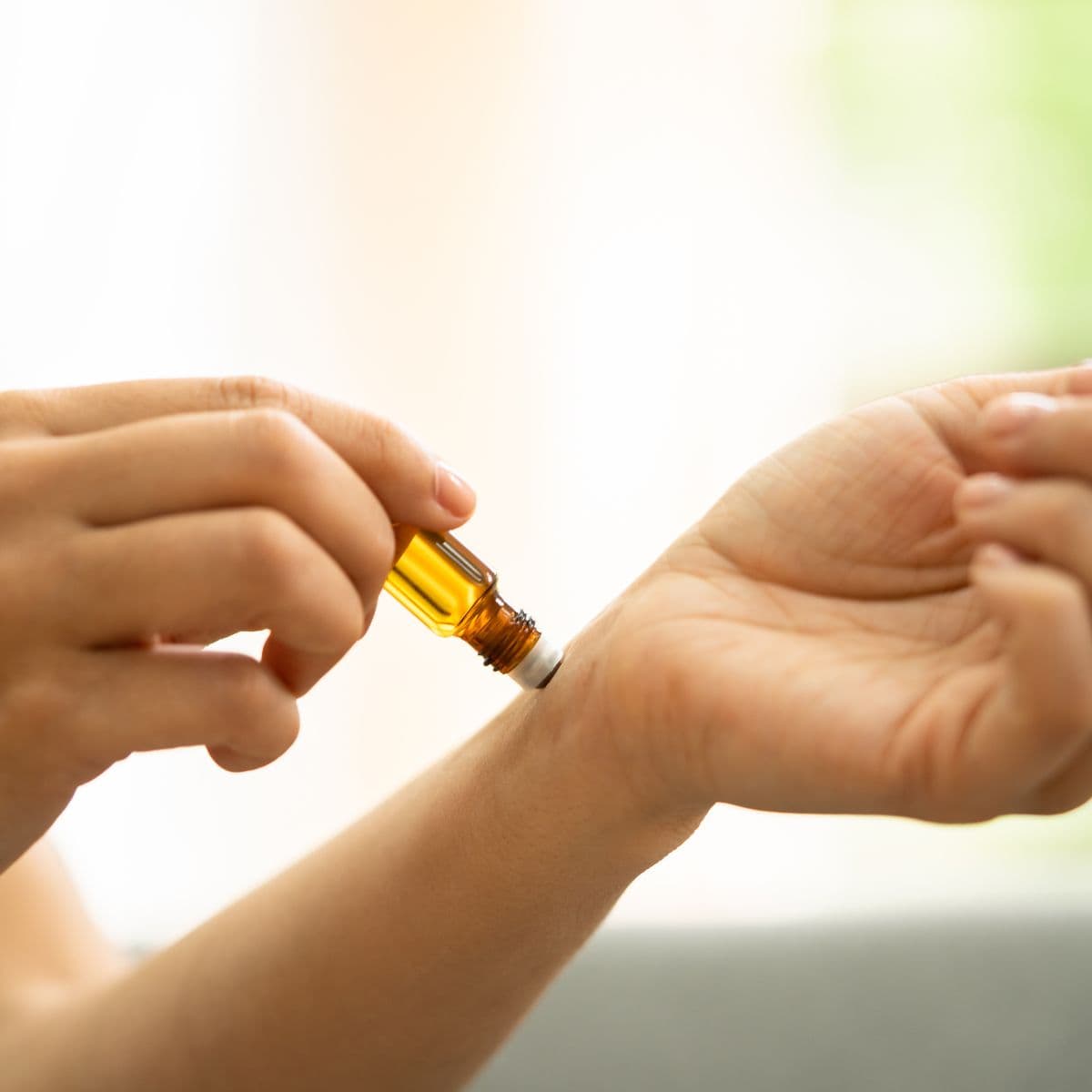
Listening back to one of my most recent podcasts with Rhiannon Lewis reminded me why aromatherapy really does deserve a serious place in integrative care and indeed why we included it on our master’s programme in Integrative Healthcare.
Essential oils are pharmacologically active compounds which are you probably know are absorbed via inhalation or the skin. Aromatherapy is perhaps most well known for its effects on the autonomic nervous system, such as lavender for sleep and anxiety. For my fellow clinicians assessing where aromatherapy fits within an evidence-based practice, it’s worth learning more about how essential oils can be used in our toolbox as a very low-risk, symptom-targeted adjunctive.
In my recent podcast with aromatherapist Rhiannon, what stood out was her emphasis on the use of aromatherapy in particular for symptoms that are often difficult to manage pharmacologically. So things like chemotherapy-induced nausea, procedural anxiety, pain perception and disrupted sleep. Managing these symptoms are particularly invaluable in cancer care or palliative care as anyone who works in these settings would agree.
And don’t forget the argument for including aromatherapy in clinical care is strengthened by its excellent safety profile. Used appropriately, aromatherapy carries a very minimal risk of drug interaction. There is no dependency potential and it is generally well tolerated even in children or immunocompromised patients. And these are populations where the margin for additional intervention is often narrow!
Aromatherapy is not as a replacement for conventional treatment, but a genuine complement to it. Easing nausea or anxiety and sleep disruption during some of the hardest parts of a patient’s journey is, in my opinion, priceless, particularly in cancer care. And (excuse the pun) but this is the essence of Integrative Medicine – taking a therapy with real evidence behind it and asking, thoughtfully, where it fits alongside conventional care. Not instead of it, but working with it, to support the whole person.
If this is something that interests you, or you would like to hear more from Rhiannon about how aromatherapy can be successfully used alongside conventional cancer care, come to the National Centre for Integrative Medicine conference in three weeks time on Symptom Management in Integrative Oncology where she is a guest speaker – we’d love to see you there.
Dr Elizabeth Thompson