# 22 Your Genes Are Not Your Destiny: The Science Behind Anxiety, Energy and Calm with Emma Beswick
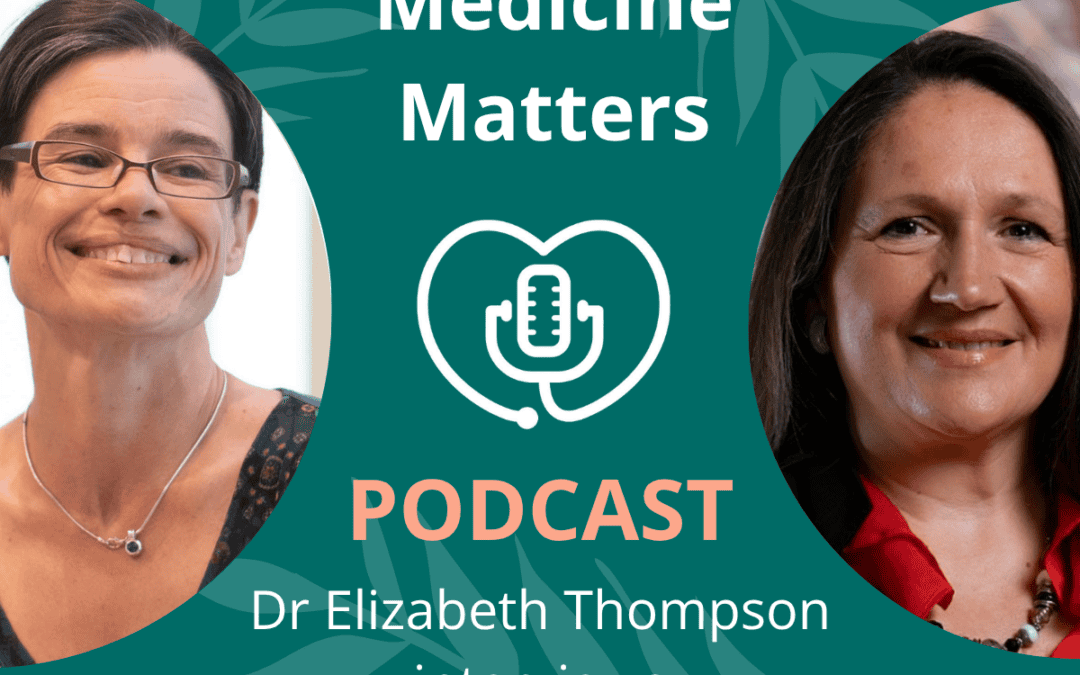
In this fascinating episode of Integrative Medicine Matters, Dr Elizabeth Thompson sits down with Emma Beswick, nutritionist and founder of Lifecode Gx, for a wide ranging and deeply personal conversation about nutrigenomics and what our genes can tell us about our health.
Emma takes us on a remarkable journey from the powerhouses of our cells to the pathways behind anxiety, calm and cognitive function, revealing how small variations in our genetic code can have a profound impact on how we feel every day. Drawing on her own experience of lifelong anxiety and the moment she discovered her GABA pathway was genetically compromised, Emma explains how understanding our individual genetics can transform the way we approach nutrition, lifestyle and wellbeing. Warm, wise and genuinely eye opening, this conversation will change the way you think about your body, your health history and your potential.

Key Topics Discussed:
- Your mitochondria are far more than energy factories. Often described as the powerhouses of the cell, mitochondria are in fact deeply complex organisms with their own DNA that interact directly with our human genome, influencing everything from energy production to inflammation, immune resilience and healthy ageing.
- Chronic inflammation is quietly chipping away at our health. Inflammation can feel invisible and intangible, but over time it acts like a slow smouldering fire, accumulating damage that reduces our metabolic resilience and leaves us far more vulnerable when we face additional health challenges such as viral infections.
- Exercise is the medicine you cannot bottle. Physical activity is one of the most powerful tools we have for supporting mitochondrial health. By placing a small and manageable stress on our mitochondria, exercise signals them to grow in number, increase their capacity and become more robust, a principle known as hormesis.
- Small genetic variations can have a big impact on how we feel. Nutrigenomics looks at the tiny differences in our genetic code that influence how we process nutrients, make neurotransmitters and respond to our environment. These variations are not conditions or diagnoses — they are supportable through targeted nutrition and lifestyle changes.
- Understanding your GABA pathway could be a game changer for anxiety. GABA is our primary calming neurotransmitter and some people are genetically less efficient at producing it or responding to it. Knowing this opens the door to targeted nutritional support including specific proteins, vitamin B6, L-theanine and rosmarinic acid found in rosemary.
- You do not need a genetic test to benefit from this knowledge. Understanding the mechanics of how neurotransmitter pathways work means that anyone can begin to support their nervous system through food and lifestyle, whether or not they have had their genetics tested.
- Your microbiome and your mental health are deeply connected. Fermented foods can provide GABA directly, and the beneficial bacteria in our gut produce calming metabolites that can cross into the bloodstream and influence how calm and balanced we feel. Supporting gut health is therefore also supporting nervous system health.
- Genes are the code but environment brings them to life. Just as a piece of music has no life until it is performed, our genetic code does not express itself in isolation. Nutrigenomics is the study of how our environment, including the food we eat, the sleep we get and the stress we carry, interacts with our genes to shape our health in real time
About our guest:
Emma Beswick is an experienced Nutritional Therapist as well as co-founder and CEO of Lifecode Gx, the leading experts in nutrigenomics testing and education. She lectures widely on the subject of nutrigenomics and is well known and respected for her knowledge and ability to present complex aspects of nutrigenomics in an accessible and clinically relevant way. She has particular, and personal interests in women’s health, neurological health, metabolism, and health span.
If you’re interested in learning more about Integrative Medicine, you can:
👉 Sign up for our free newsletter Integrative Medicine Matters
👉 Sign up for our NCIM Membership, just £4.99 per month
👉 Sign up for our free Introduction to Integrative Medicine course
👉 Explore our 10 CPD Point Discovery Course in Integrative Medicine
👉 Find out more about our master’s Level 7 Diploma, including single modules you can enrol in today!
NCIM also offers an Integrative Medicine Clinic, where our expert team of Integrative Medicine Doctors and Integrative Clinical Team work collaboratively to support your health and wellbeing. Learn more and book an appointment.
We would love to get your feedback on the topics and conversations we feature. Follow and connect with us on social media – Instagram, Facebook, and LinkedIn – and let us know your thoughts.
Don’t forget to subscribe and share if you enjoyed this episode!
Disclaimer: This podcast is for educational purposes only and is not intended as medical advice. Always seek the guidance of a qualified healthcare professional before making any changes to your health or treatment plan.