#18 Mushrooms, Ayurveda, and Team-Based Cancer Care: An Integrative Approach
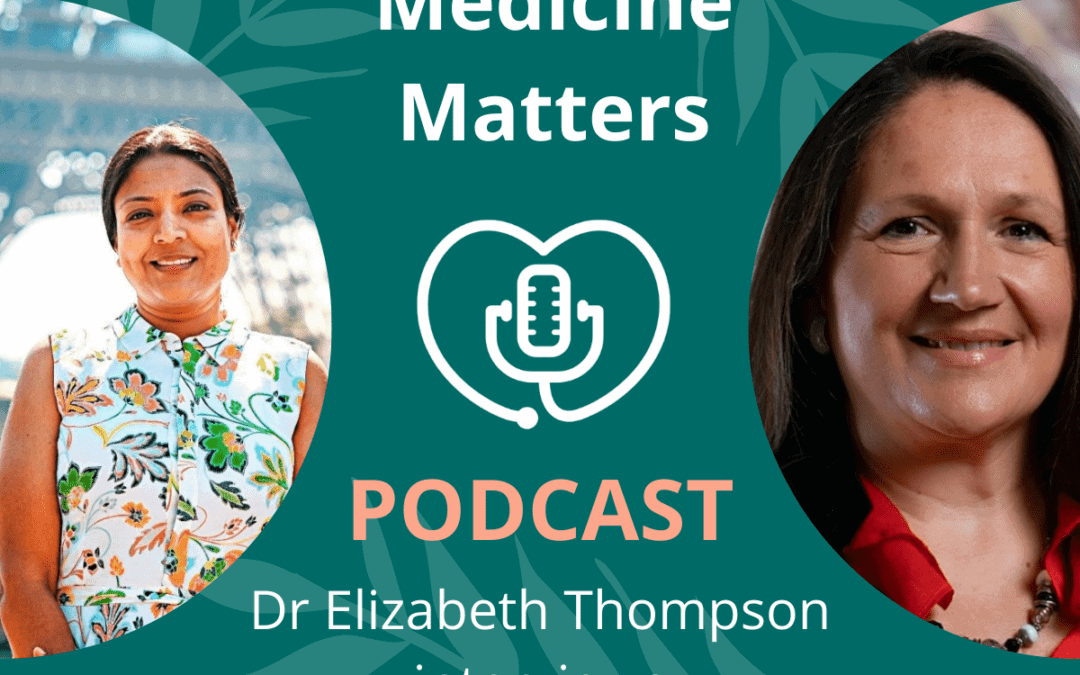
In this enlightening conversation, Dr Elizabeth Thompson speaks with Dr Santhosshi Narayanan, an Integrative Medicine physician at MD Anderson Cancer Center in Texas, about the transformative role of Integrative Oncology in cancer care. Dr Narayanan shares her journey from hospitalist to Integrative Oncology specialist, explaining how she combines evidence-based complementary therapies, including meditation, yoga, acupuncture, and nutritional counseling, with conventional cancer treatments.
The discussion explores her research on medicinal mushrooms, the application of Ayurvedic principles in oncology, and the remarkable team-based model at MD Anderson where Integrative Medicine practitioners work collaboratively with oncology teams. Dr Narayanan emphasises the importance of treating patients as whole people, addressing not just the cancer but also the emotional, nutritional, and spiritual dimensions of healing.

Key Topics Discussed:
- Whole-person healing matters: Effective cancer treatment requires more than just chemotherapy and surgery, it includes nutrition, movement, stress management, and mind-body practices to optimise healing
- Evidence-informed integration: At MD Anderson, Integrative Medicine operates alongside conventional oncology with clear collaboration, safety protocols, and evidence-based approaches that reduce resistance from oncology teams
- Medicinal mushrooms show promise: Start simple with cooking shiitake mushrooms which you can find in most supermarkets; while supplements like PSK and turkey tail warrant further research, proper cooking is essential to eliminate toxins
- Ayurveda offers personalised care: Ancient wisdom focusing on digestion, gut health, and restoring the body’s natural balance complements modern cancer treatment through personalised diet and lifestyle recommendations
- Research drives acceptance: Publishing outcomes data and following guidelines like ASCO-SIO recommendations helps oncologists feel safe integrating complementary therapies with conventional treatments
- Communication is crucial: Over 60% of cancer patients use integrative approaches, but less than 30% discuss them with their doctors, open dialogue and trust between patients and providers is essential for safety
About our guest:
Dr Santhosshi Narayanan is a Clinical Associate Professor at the Integrative Medicine Center at The University of Texas MD Anderson Cancer Center. She is double American board‑certified in Internal Medicine and Integrative Medicine and holds a master’s degree in Ayurveda. She serves as Vice President of Advancement, an executive role for the Society of Integrative Oncology (SIO), where she has also co‑chaired the Global Committee and founded the Ayurveda Special Interest Group. She previously served on the Board of the American College of Physicians (ACP).
Dr. Narayanan co‑founded the MD Anderson Onco‑Hospitalist Fellowship in 2015 and transitioned to Integrative Medicine in 2018. Her work integrates nutrition, exercise, mind–body practices, and evidence‑based integrative therapies into cancer care. She has authored numerous publications, led one of the first clinical trials on meditation in hospitalized cancer patients, and published research on medicinal mushrooms in oncology.
If you’re interested in learning more about Integrative Medicine, you can:
👉 Sign up for our free newsletter Integrative Medicine Matters
👉 Sign up for our NCIM Membership, just £4.99 per month
👉 Sign up for our free Introduction to Integrative Medicine course
👉 Explore our 10 CPD Point Discovery Course in Integrative Medicine
👉 Find out more about our master’s Level 7 Diploma, including single modules you can enrol in today!
NCIM also offers an Integrative Medicine Clinic, where our expert team of Integrative Medicine Doctors and Integrative Clinical Team work collaboratively to support your health and wellbeing. Learn more and book an appointment.
We would love to get your feedback on the topics and conversations we feature. Follow and connect with us on social media – Instagram, Facebook, and LinkedIn – and let us know your thoughts.
Don’t forget to subscribe and share if you enjoyed this episode!
Disclaimer: This podcast is for educational purposes only and is not intended as medical advice. Always seek the guidance of a qualified healthcare professional before making any changes to your health or treatment plan.