The Medicine Cabinet That Became a Medicine Crisis
Who saw Rangan Chattergee’s programme Live Well with the Drug Free Doctor last week?
I’m a huge fan of Rangan. He presents such a compelling case for lifestyle and Integrative Medicine that even the most rigid proponents of mainstream medicine would find it hard to ignore! Like me, Rangan is a doctor who became disillusioned with the single minded approach of conventional medicine and uses a variety of evidence based approaches for his patients, to find what works, with the least amount of side effects.
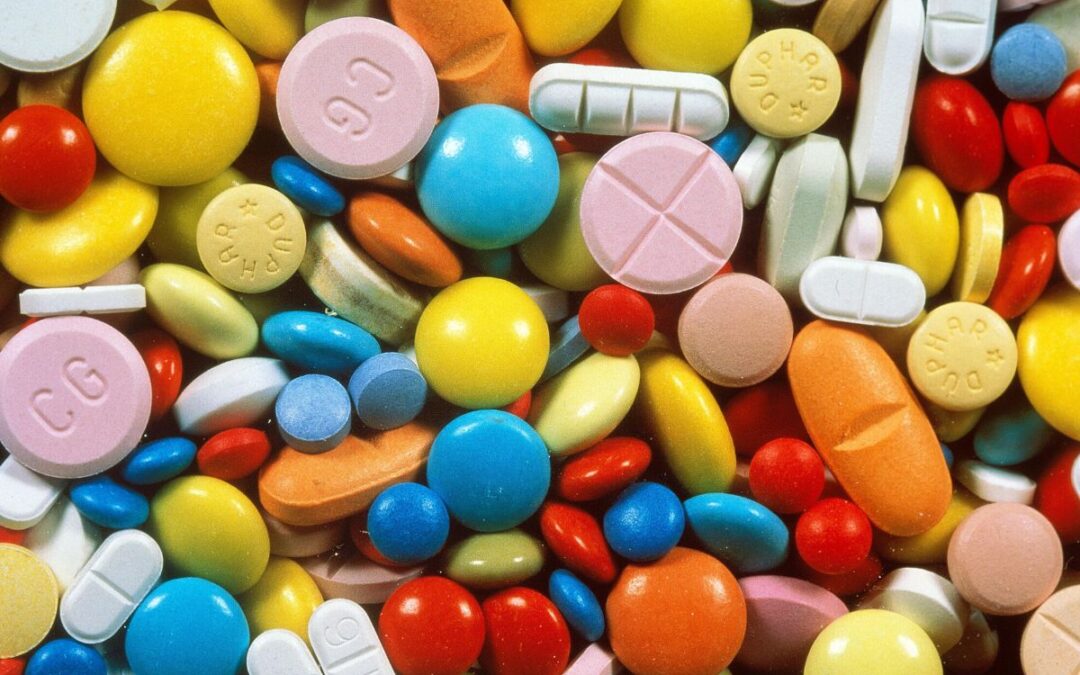
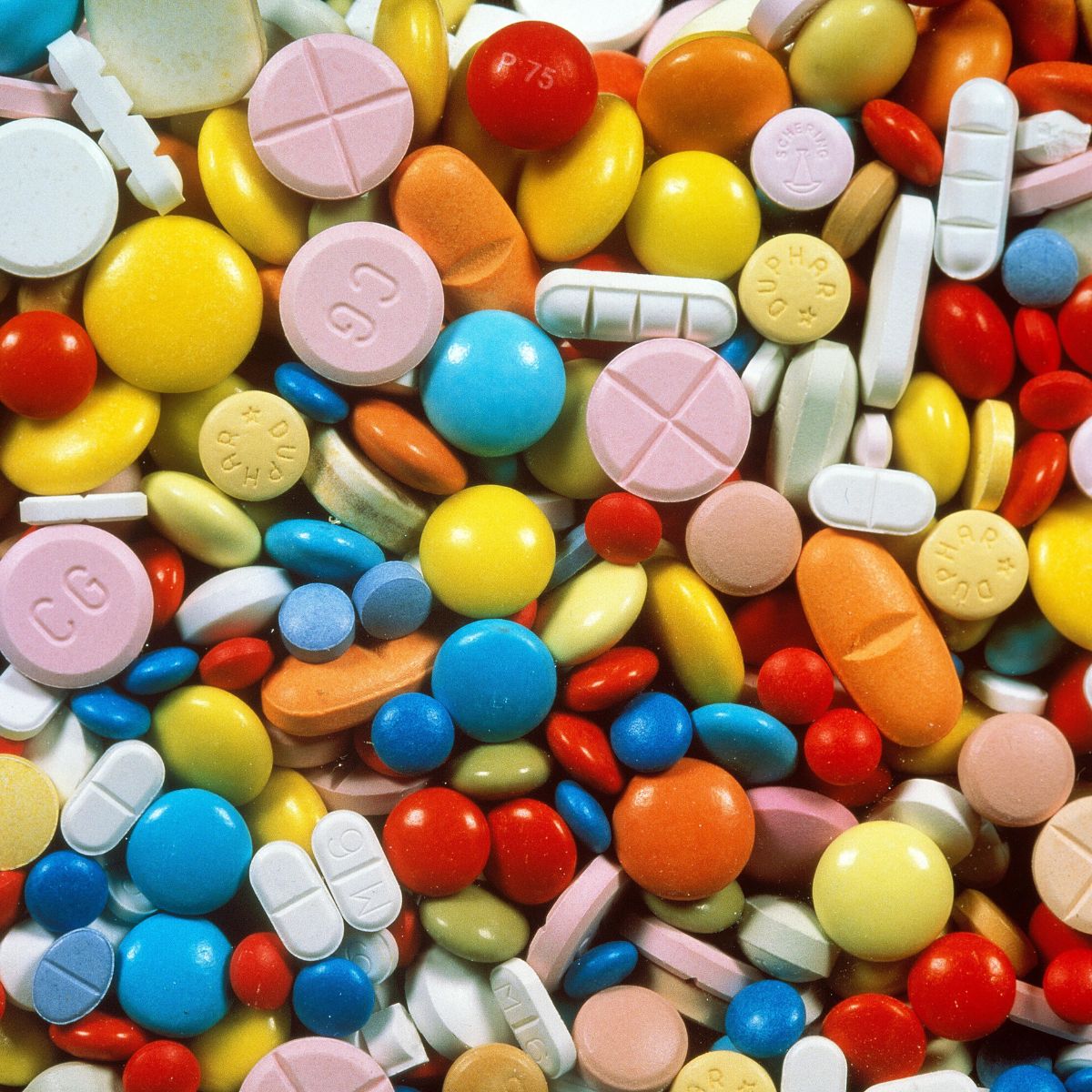
With prescription rates climbing 50% over the past decade, the UK sadly now leads Europe in medication dependency, particularly for antidepressants, opioids, and benzodiazepines. Drugs now make up 25% of the NHS’s carbon footprint. And the economic burden is staggering: medication-related harm costs the NHS £2.5 billion annually, while unnecessary prescriptions waste another £300 million. Britain faces an unprecedented overprescription epidemic that’s undermining patient safety and straining our NHS resources. Quite simply, this is unsustainable, dangerous and cannot continue.
I have written recently about the overuse of PPI medications and the rise in GLP-1 medication. Both articles certainly touched a nerve and I received hundreds of comments of people agreeing (and of course some disagreeing!) with how these medications are being abused and used long term in a way they were not designed to be. I want to be clear that I am not criticising GP’s, I understand the pressures and constraints and there are many excellent doctors out there thinking outside the box and their resources for the good of their patients. But, in my opinion, we have a prescription pad mentality in this country, which has created a dangerous dependency cycle. Patients are trapped in long-term medication regimes, that may cause more harm than benefit and are certainly harming the NHS along the way.
In the programme Rangan touched on ultra processed foods, the rise in T2DM (which is predicted to rise a staggering 20% in the next 5 years!), time restricted eating and metabolic flexibility. Anyone who follows me knows we are singing from the same song sheet here! He also followed the pathway of antidepressants, now the most commonly prescribed drug in the UK (with 1 in 5 of adult population in the UK on antidepressants). This is an epidemic. As Rangan says, the majority of what we see as doctors is in some way related to our modern lifestyles. This is not a problem solved by pharmaceutical drugs – this is a problem solved by lifestyle medicine and mind/body techniques.
What Rangan reiterated, is 100% my stance on this: we are NOT anti-pharmaceuticals, far from it. Medicine saves lives and for acute illness’, it is dangerous and unethical to recommend not taking the medicine. What I am opposed to is over-prescription. Over medicalisation for issues which can often be controlled by other measures without the side effects of prescription drugs. We need to stop the mentality of a pill for every ill, stop prioritising symptom suppression over root-cause treatment, introduce Integrative techniques to our medical schools and invest in holistic care pathways for our future doctors. Without this way of thinking over-prescription will continue devastating patient outcomes while bankrupting our health service.
Do also check out the College of Medicine’s Beyond Pill campaign if you are interested in this issue.