
The Colourful Secret to Growing Older Well
The Colourful Secret to Healthy Ageing: What Polyphenols Can Do For You
Imagine a basket of fresh fruits and vegetables, bursting with colour. Now imagine draining every drop of that colour away. Not only would it look less appealing, it would actually be less good for you. That was the opening thought from Colin Rose, nutrition researcher and co-founder of Daily Colors (Daily Colors), when he joined NCIM for a recent webinar on one of the most exciting and underappreciated areas of nutritional science: polyphenols and healthy ageing.
So What Exactly Are Polyphenols? Most of us have heard of beta-carotene or lycopene, the red pigment in tomatoes. But these are just two members of a vast family of plant compounds called polyphenols, numbering in the hundreds, that are increasingly being recognised as foundational to long term health.
One of the reasons polyphenols remain under the radar for many people is simply the name. Unlike vitamins and minerals, which have familiar and easy to remember labels, polyphenols sound complicated. But their effects are anything but. Research suggests they lower blood pressure, reduce inflammation, support healthy blood sugar levels, activate the immune system and may even reduce cancer risk.
The key classes of polyphenols include anthocyanins, found in blueberries, blackberries and elderberries. Flavonoids, found in dark chocolate and citrus fruits. Catechins, found in green tea. Resveratrol, found in red grapes and wine. And the polyphenols in extra virgin olive oil, which are widely regarded as the poster boys of the Mediterranean diet.
Why Did Plants Develop These Compounds in the First Place? This is where things get particularly interesting. Plants, unlike animals, cannot move. They are exposed to intense solar radiation, insect attack and extreme weather. Over thousands of years they developed remarkable antioxidant and anti-inflammatory defences simply to survive. When we eat plants we inherit those protective benefits directly.
Healthspan, Not Just Lifespan
There is an important distinction worth making here, and one that sits at the very heart of Integrative Medicine. The goal is not simply to live longer. It is to live longer in good health. Healthspan rather than lifespan. The statistics make the urgency of this clear. While the average woman in the UK now lives to 81 and the average man to 79, around 15 of those years are lived with at least one chronic disease, and in many cases several. This is not only deeply difficult for the individuals concerned, it places an enormous and growing burden on the NHS.
The good news is that polyphenols appear to address this challenge directly. The evidence suggests these compounds work across a remarkably wide range of health outcomes, from heart and metabolic health to cognitive function, cancer protection and bone health. The emerging hypothesis, supported by a growing body of research, is that polyphenols achieve this broad impact because they work on the underlying driver of all of these conditions. Ageing itself.
How Polyphenols Slow the Ageing Process
The science behind this is genuinely fascinating. Research shows that polyphenols improve endothelial function, reduce oxidative damage to cells and DNA, lower inflammation, improve insulin sensitivity and reduce the oxidation of LDL cholesterol. Perhaps most significantly, they have been shown to reduce cellular senescence, the accumulation of damaged cells that can no longer function properly and that are now recognised as one of the key drivers of both ageing and chronic disease.
Polyphenols also support mitochondrial function, the energy producing machinery of our cells, and have a profound effect on gut microbiome health. They not only feed the beneficial bacteria in our gut but also trigger the production of metabolites that have their own independent anti-ageing effects.
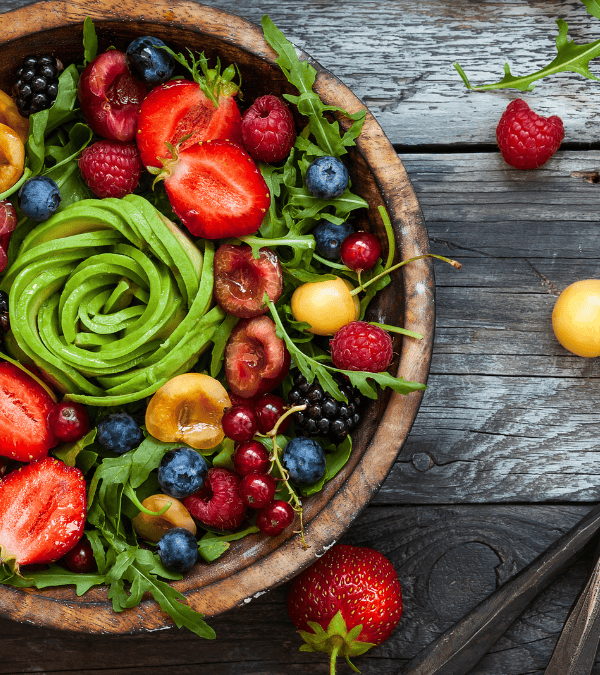
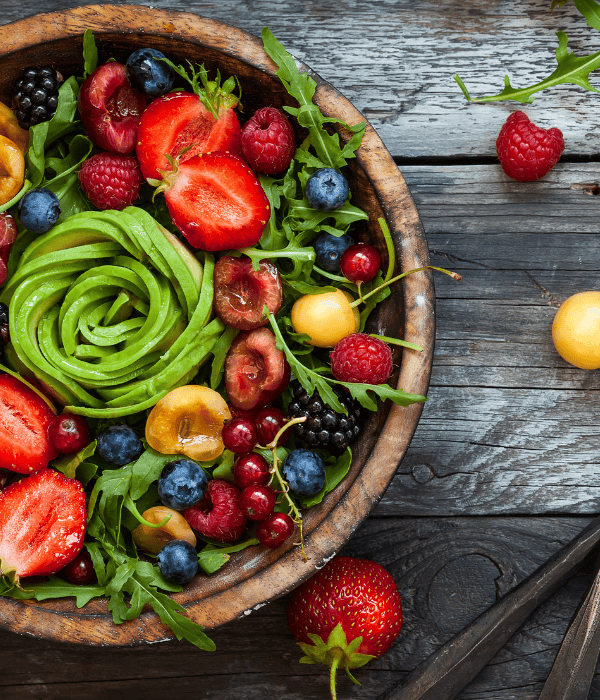
One of the most practical and memorable insights from the research is the significance of colour diversity on our plates. Different coloured plant foods contain different classes of polyphenols with different but complementary benefits.
Red, blue and purple foods such as berries and red grapes are particularly powerful for cardiovascular and cognitive health. Green foods support liver function and wound healing. Orange and yellow foods, think carrots and squash, are strongly associated with cancer protection. And the anthocyanins in blueberries, blackcurrants and elderberries have significant vascular and brain health benefits.
Crucially, these colour groups work synergistically. Research testing individual colour extracts in isolation produced far less impressive results than when the full combination was tested together. The message is clear. There is no magic bullet single polyphenol. The power lies in the combination.
Are We Getting Enough Polyphenols in our diet?
The honest answer, for most people in the UK, is no. The optimal daily intake of polyphenols is estimated at around 1,000 milligrams, of which approximately 600 milligrams should come from fruits, vegetables and herbs. The average UK daily intake currently sits at around 600 milligrams total, and only half of that comes from fruit and vegetables. The rest comes primarily from tea, coffee and red wine, which whilst beneficial do not deliver the same targeted effects as plant and vegetable polyphenols.
The recommended five a day was always something of a compromise. The original evidence pointed to nine or ten portions of fruit and vegetables daily. The five a day message was adopted because it was felt the public would find the true figure discouraging. The reality is that most of us are not even reaching five, let alone ten.
The Mediterranean Diet as a Blueprint
The diet with the strongest and most consistent evidence for supporting healthy ageing is the Mediterranean diet, and it is no coincidence that it is extraordinarily rich in polyphenols. Research has shown it to be heart protective, brain protective, anti-inflammatory, supportive of healthy blood sugar and associated with a reduced risk of colorectal, breast and prostate cancer as well as better bone health.
The recommendation to practitioners and patients alike is to use the Mediterranean diet as the gold standard blueprint and to actively look for ways to increase the diversity and quantity of plant polyphenols in daily life.
Can Supplementation Help?
Whilst food will always be the foundation, the reality is that many people in the UK fall significantly short of optimal polyphenol intake through diet alone. This is where carefully formulated supplementation may have a role to play.
Research into polyphenol supplementation has produced some genuinely encouraging results. Testing of a combination of 16 extracts drawn from red, green, orange, yellow, blue and purple plants against enzymes known to drive ageing, including CD38 and CD39 which reduce levels of the critical energy molecule NAD+ and drive inflammation, showed significant and in some cases near complete inhibition.
Importantly, the combination of all four colour groups dramatically outperformed any individual colour tested in isolation, further reinforcing the importance of diversity and synergy over single ingredient approaches.
Cell research has shown improvements in mitochondrial health, increased glucose sensitivity, reduced inflammatory cytokines and reduced gene expression linked to cellular senescence. Human trials at Kings College London demonstrated epigenetic effects, showing that Mediterranean diet compounds can actually influence which genes associated with healthy ageing are switched on or off. A more recent trial at the University of Exeter involving 150 participants over 60 days showed significant improvements in cognitive function, physical fitness and markers of inflammation and immunity.
No supplement is a substitute for a healthy diet. The foundation of good health remains a diverse, plant rich, whole food diet and that will never change. But the science emerging around polyphenol combinations is genuinely exciting and represents a meaningful step forward in evidence based nutritional support for healthy ageing.
If you would like to learn more about the role of nutrition in Integrative Healthcare, our masters Level 7 Diploma in Integrative Healthcare explores these themes in depth alongside the full spectrum of Integrative Medicine practice.
Diploma in Integrative Healthcare – NCIM – National Centre for Integrative Medicine
To learn more about Daily Colors, a powerful dietary supplement with 161 phyto-nutrients: Daily Colors