# 29 From Intensive Care to Essential Oils: One Practitioner's Journey to the Heart of Healing with Rhiannon Lewis

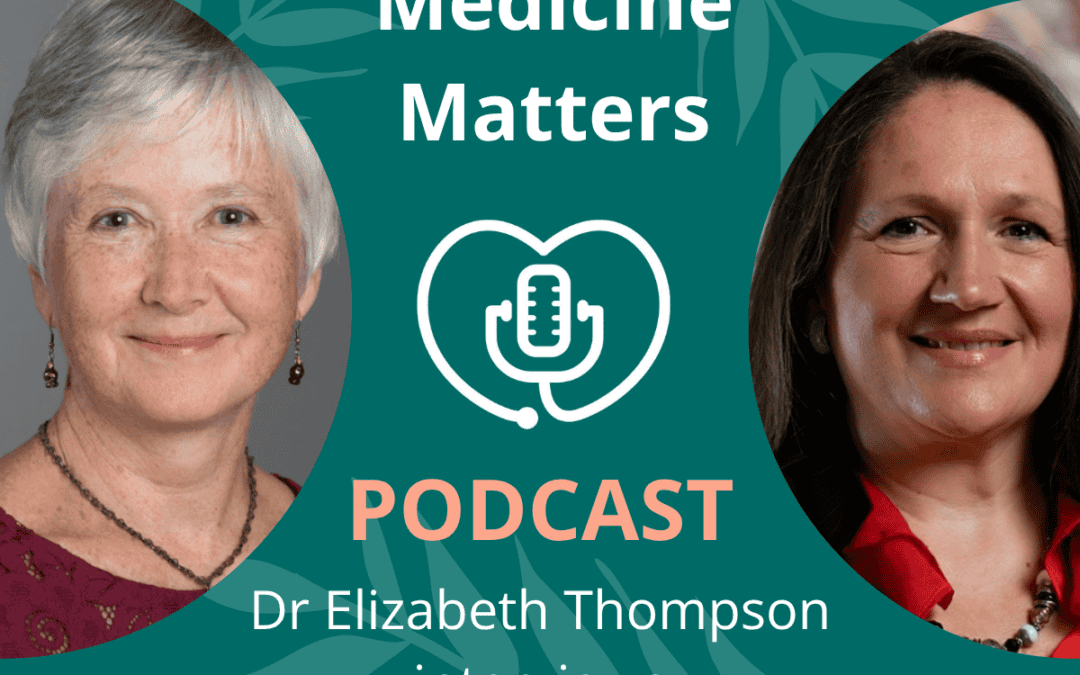
In this brilliant episode of Integrative Medicine Matters, Dr Elizabeth Thompson sits down with Rhiannon Lewis, a former intensive care nurse turned clinical aromatherapist, educator and founder of the International Clinical Aromatherapy Network, a global community of over 2000 practitioners in more than 90 countries.

Rhiannon brings a rare combination of clinical rigour, deep botanical knowledge and genuine passion for the therapeutic potential of essential oils, and the conversation that unfolds is one of the most practically rich and scientifically grounded explorations of aromatherapy we have had on this podcast.

Together Elizabeth and Rhiannon explore the history and science of essential oils, the growing evidence base across anxiety, sleep, pain management and cancer care, the remarkable emerging research on antimicrobial resistance and biofilm disruption and why something as simple as the smell of a rose or a sprig of lavender can produce measurable changes in our neuroendocrine system and skin inflammation.

What emerges is a compelling case for why aromatherapy deserves a much more prominent place in modern integrative healthcare, and a powerful reminder that nature has been offering us its medicine for a very long time. 

Key Topics Discussed:

🌿 Aromatherapy is far more than a pleasant smell. Essential oils are highly concentrated chemical cocktails extracted from aromatic plants, each with a specific and complex composition of bioactive molecules. Used correctly and at the right dose, they have measurable therapeutic effects on the body, the mind and the immune system. This is clinical medicine rooted in nature.

🧪 The evidence base is growing and the four strongest areas are anxiety, sleep, nausea and pain. Lavender in particular has strong evidence for improving both sleep quality and duration. What is especially exciting right now is the emerging research on pain, showing that simply inhaling a calming aroma can raise the pain threshold and reduce pain perception, even without topical application.

💊 Essential oils are showing remarkable promise in chemotherapy induced peripheral neuropathy. Peppermint and its active component menthol have been shown to modulate the TRPM8 receptor, which is often upregulated by certain chemotherapy drugs. Practitioners at the Royal Marsden Hospital have been using topical essential oil preparations for CIPN with very encouraging results, offering patients a safe and empowering self care strategy.

🦠 The antimicrobial potential of essential oils is one of the most exciting frontiers in natural medicine. Essential oils can disrupt biofilm, interfere with quorum sensing, the communication language of bacteria, and enhance the permeability of resistant bacterial membranes to allow antibiotics to penetrate more effectively. In a post antibiotic era, this is not a fringe idea. It is an urgent and actively researched field.

🌹 Choice and personalisation are at the heart of how aromatherapy works. Unlike much of conventional medicine where things are done to patients, aromatherapy always begins with the individual’s own response to a scent. Does it make them feel safe? Does it evoke something positive? That personalised, collaborative approach is itself therapeutic and gives patients a sense of ownership and agency that is often missing from their healthcare experience.

🌿 Self care is built into the aromatherapy model. Rather than creating dependence on a therapist, the goal is always to equip the patient with their own tools, a personalised blend in a personal inhaler, a cream they can apply themselves, a practice they can take home. That continuity between therapy sessions is where the real long term efficacy lies.

🌸 Inhaling a pleasant familiar scent can measurably reduce skin inflammation. Research from Japan demonstrated that smelling an aroma that makes you feel calm and good can reduce skin reactivity and enhance the skin’s own capacity to heal. This is the biophilia effect in action, our biological need to connect with nature producing tangible physiological change.

🏥 COVID significantly set back aromatherapy in clinical settings and the field has not fully recovered. Many hospital and hospice based aromatherapy services that had been running successfully for decades were furloughed during the pandemic and never restarted, not because the therapy was shown to be ineffective, but because of budget constraints and the disruption of existing services. Rebuilding that presence in clinical environments is now one of the field’s most important challenges.

🔬 Better research and better awareness among decision makers are the two things that would transform the field. Rhiannon’s vision for the next five years is simple but powerful. More published evidence that meets the bar expected by clinical commissioners, and a genuine understanding among the doctors, nurses and service providers making decisions about patient care of where aromatherapy has its strongest evidence and its most meaningful role.

About our guest:

Rhiannon Lewis is a practising aromatherapist, educator, author, conference organiser and host of the professional online International Clinical Aromatherapy Network (ICAN).

A former nurse, Rhiannon’s effective teaching style and passion for making an aromatic difference at the bedside of sick patients has taken her all over the world as a speaker at conferences and as facilitator of numerous advanced clinical aromatherapy programs, both online and in-person.

She is an initiator of several important advances in the clinical aromatherapy world including the introduction of personalised aromatherapy inhalers in settings such as cancer and palliative care.

If you’re interested in learning more about Integrative Medicine, you can:

👉 ⁠Sign up for our free newsletter Integrative Medicine Matters

👉 ⁠Sign up for our NCIM Membership, just £4.99 per month

👉 Sign up for our free Introduction to Integrative Medicine course

👉 Explore our 10 CPD Point Discovery Course in Integrative Medicine

👉 Find out more about our master’s Level 7 Diploma, including single modules you can enrol in today!

NCIM also offers an Integrative Medicine Clinic, where our expert team of Integrative Medicine Doctors and Integrative Clinical Team work collaboratively to support your health and wellbeing. Learn more and book an appointment.

We would love to get your feedback on the topics and conversations we feature. Follow and connect with us on social media – Instagram, Facebook, and LinkedIn – and let us know your thoughts.

Don’t forget to subscribe and share if you enjoyed this episode!

Disclaimer: This podcast is for educational purposes only and is not intended as medical advice. Always seek the guidance of a qualified healthcare professional before making any changes to your health or treatment plan.

# 29 From Intensive Care to Essential Oils: One Practitioner's Journey to the Heart of Healing with Rhiannon Lewis

In this brilliant episode of Integrative Medicine Matters, Dr Elizabeth Thompson sits down with Rhiannon Lewis, a former intensive care nurse turned clinical aromatherapist, educator and founder of the International Clinical Aromatherapy Network, a global community of over 2000 practitioners in more than 90 countries.

Rhiannon brings a rare combination of clinical rigour, deep botanical knowledge and genuine passion for the therapeutic potential of essential oils, and the conversation that unfolds is one of the most practically rich and scientifically grounded explorations of aromatherapy we have had on this podcast.

Together Elizabeth and Rhiannon explore the history and science of essential oils, the growing evidence base across anxiety, sleep, pain management and cancer care, the remarkable emerging research on antimicrobial resistance and biofilm disruption and why something as simple as the smell of a rose or a sprig of lavender can produce measurable changes in our neuroendocrine system and skin inflammation.

What emerges is a compelling case for why aromatherapy deserves a much more prominent place in modern integrative healthcare, and a powerful reminder that nature has been offering us its medicine for a very long time. 

Key Topics Discussed:

🌿 Aromatherapy is far more than a pleasant smell. Essential oils are highly concentrated chemical cocktails extracted from aromatic plants, each with a specific and complex composition of bioactive molecules. Used correctly and at the right dose, they have measurable therapeutic effects on the body, the mind and the immune system. This is clinical medicine rooted in nature.

🧪 The evidence base is growing and the four strongest areas are anxiety, sleep, nausea and pain. Lavender in particular has strong evidence for improving both sleep quality and duration. What is especially exciting right now is the emerging research on pain, showing that simply inhaling a calming aroma can raise the pain threshold and reduce pain perception, even without topical application.

💊 Essential oils are showing remarkable promise in chemotherapy induced peripheral neuropathy. Peppermint and its active component menthol have been shown to modulate the TRPM8 receptor, which is often upregulated by certain chemotherapy drugs. Practitioners at the Royal Marsden Hospital have been using topical essential oil preparations for CIPN with very encouraging results, offering patients a safe and empowering self care strategy.

🦠 The antimicrobial potential of essential oils is one of the most exciting frontiers in natural medicine. Essential oils can disrupt biofilm, interfere with quorum sensing, the communication language of bacteria, and enhance the permeability of resistant bacterial membranes to allow antibiotics to penetrate more effectively. In a post antibiotic era, this is not a fringe idea. It is an urgent and actively researched field.

🌹 Choice and personalisation are at the heart of how aromatherapy works. Unlike much of conventional medicine where things are done to patients, aromatherapy always begins with the individual’s own response to a scent. Does it make them feel safe? Does it evoke something positive? That personalised, collaborative approach is itself therapeutic and gives patients a sense of ownership and agency that is often missing from their healthcare experience.

🌿 Self care is built into the aromatherapy model. Rather than creating dependence on a therapist, the goal is always to equip the patient with their own tools, a personalised blend in a personal inhaler, a cream they can apply themselves, a practice they can take home. That continuity between therapy sessions is where the real long term efficacy lies.

🌸 Inhaling a pleasant familiar scent can measurably reduce skin inflammation. Research from Japan demonstrated that smelling an aroma that makes you feel calm and good can reduce skin reactivity and enhance the skin’s own capacity to heal. This is the biophilia effect in action, our biological need to connect with nature producing tangible physiological change.

🏥 COVID significantly set back aromatherapy in clinical settings and the field has not fully recovered. Many hospital and hospice based aromatherapy services that had been running successfully for decades were furloughed during the pandemic and never restarted, not because the therapy was shown to be ineffective, but because of budget constraints and the disruption of existing services. Rebuilding that presence in clinical environments is now one of the field’s most important challenges.

🔬 Better research and better awareness among decision makers are the two things that would transform the field. Rhiannon’s vision for the next five years is simple but powerful. More published evidence that meets the bar expected by clinical commissioners, and a genuine understanding among the doctors, nurses and service providers making decisions about patient care of where aromatherapy has its strongest evidence and its most meaningful role.

About our guest:

Rhiannon Lewis is a practising aromatherapist, educator, author, conference organiser and host of the professional online International Clinical Aromatherapy Network (ICAN).

A former nurse, Rhiannon’s effective teaching style and passion for making an aromatic difference at the bedside of sick patients has taken her all over the world as a speaker at conferences and as facilitator of numerous advanced clinical aromatherapy programs, both online and in-person.

She is an initiator of several important advances in the clinical aromatherapy world including the introduction of personalised aromatherapy inhalers in settings such as cancer and palliative care.

If you’re interested in learning more about Integrative Medicine, you can:

👉 ⁠Sign up for our free newsletter Integrative Medicine Matters

👉 ⁠Sign up for our NCIM Membership, just £4.99 per month

👉 Sign up for our free Introduction to Integrative Medicine course

👉 Explore our 10 CPD Point Discovery Course in Integrative Medicine

👉 Find out more about our master’s Level 7 Diploma, including single modules you can enrol in today!

NCIM also offers an Integrative Medicine Clinic, where our expert team of Integrative Medicine Doctors and Integrative Clinical Team work collaboratively to support your health and wellbeing. Learn more and book an appointment.

We would love to get your feedback on the topics and conversations we feature. Follow and connect with us on social media – Instagram, Facebook, and LinkedIn – and let us know your thoughts.

Don’t forget to subscribe and share if you enjoyed this episode!

Disclaimer: This podcast is for educational purposes only and is not intended as medical advice. Always seek the guidance of a qualified healthcare professional before making any changes to your health or treatment plan.