Changing the Menopause Narrative
October is Menopause Awareness Month, and I like to reflect on this month not only to highlight the challenges of the menopause but a chance to look at how we talk about this stage of life.
It has been wonderful to watch the menopause become such an open discussion point over the last few years. Not so long ago it was completely taboo and women didn’t even discuss it, much less get help with it! But I worry that the prevailing public narrative is still negative. I think this feeds the anxiety and misunderstanding that can surround this time of a woman’s life.
During perimenopause the body goes through a huge period of hormonal adjustment, which sometimes might call for some holistic support. The symptoms are very real, but every woman’s experience is different. Perimenopausal symptoms can be frightening and debilitating for women without education or support and I am glad we are finally talking about them and not just reducing symptoms to a few hot flushes!
At the same time, not every woman struggles! Some sail through with few or no symptoms, while others have severe ones. That is why its so important to listen to your own body and choose support based on your individual experience, rather than what you’ve been led to expect. Like everything in health, there is no one-size-fits-all approach. For some women HRT may be appropriate, but for many others evidence-informed approaches from the integrative toolbox such as nutrition, movement, homeopathy herbal medicine and mind-body practices can make a real difference.
In my clinical practice, I often tell struggling patients that they are on a profound journey, and that with the right knowledge and support it can become a time of gain they don’t just have to get through it. Many women use this stage to change their health and their lives for the better and to put themselves first. That can be very empowering.
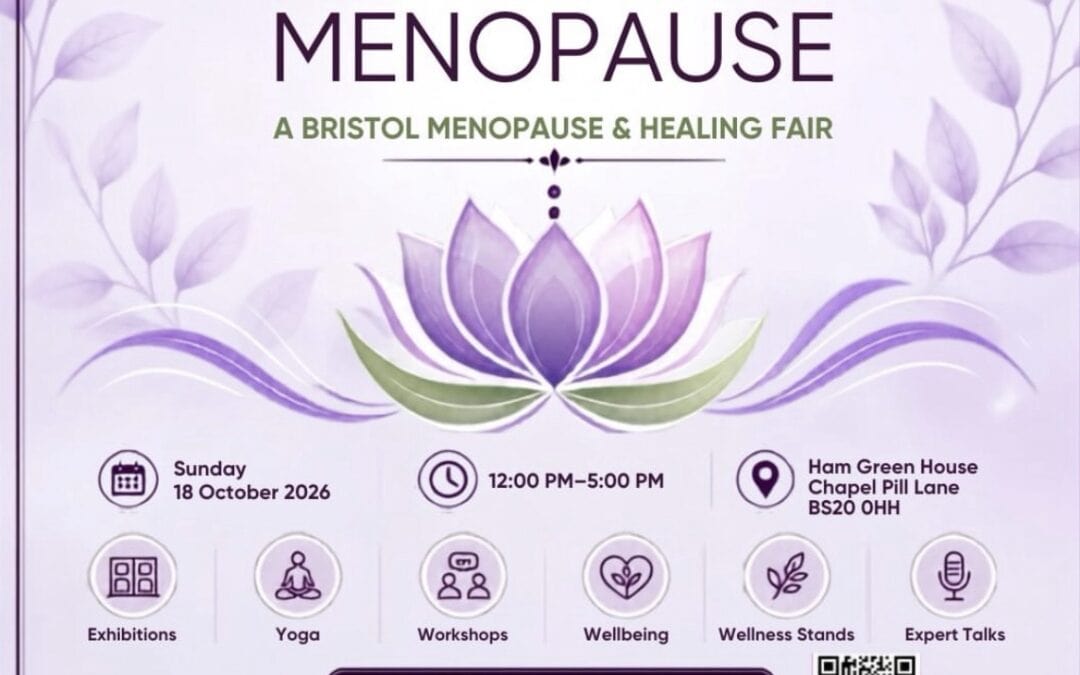
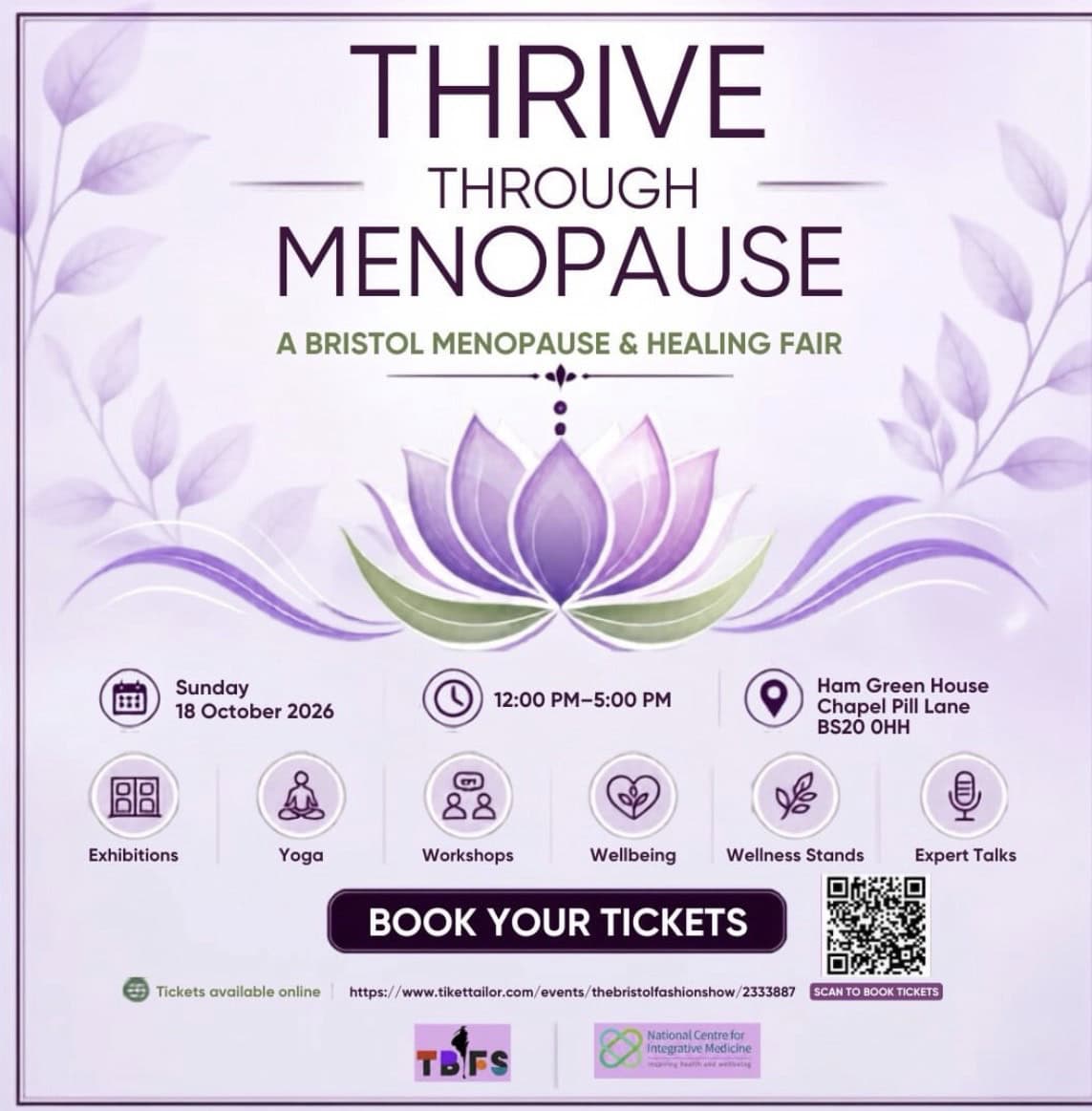
On that note, I’m looking forward to speaking and chairing at the Thrive Through Menopause event on 18 October here in Bristol. Some of you may know that the menopause has been an area of great interest to me over decades as my first research clinic in 1996 investigated women with breast cancer and the side effects of oestrogen withdrawal medication. I am glad to say that our understanding of the menopause and what we have to offer with a range of integrative approaches has grown enormously since that time, but homeopathy still provides a great integrative approach to support people through the menopause. I’ll also be drawing on my own personal experience of developing metabolic syndrome which emerged in perimenopause. Thanks to Butzi Schlaadt and Laila Schlaadt Goode for organising this day in our home at Ham Green House, and I look forward to meeting colleagues and members of public in person.
Dr Elizabeth Thompson