Ancient Wisdom and Modern Life
I’ve been thinking a lot lately about wisdom, how we learn from others and where we gain our own wisdom. When I attended medical school the emphasis was always on the emerging science, something which of course still resonates with me as we practice evidence-based medicine, the science still has to lead. But it strikes me now that often with modern medicine we have a tendency to miss what is quietly sitting in plain sight.
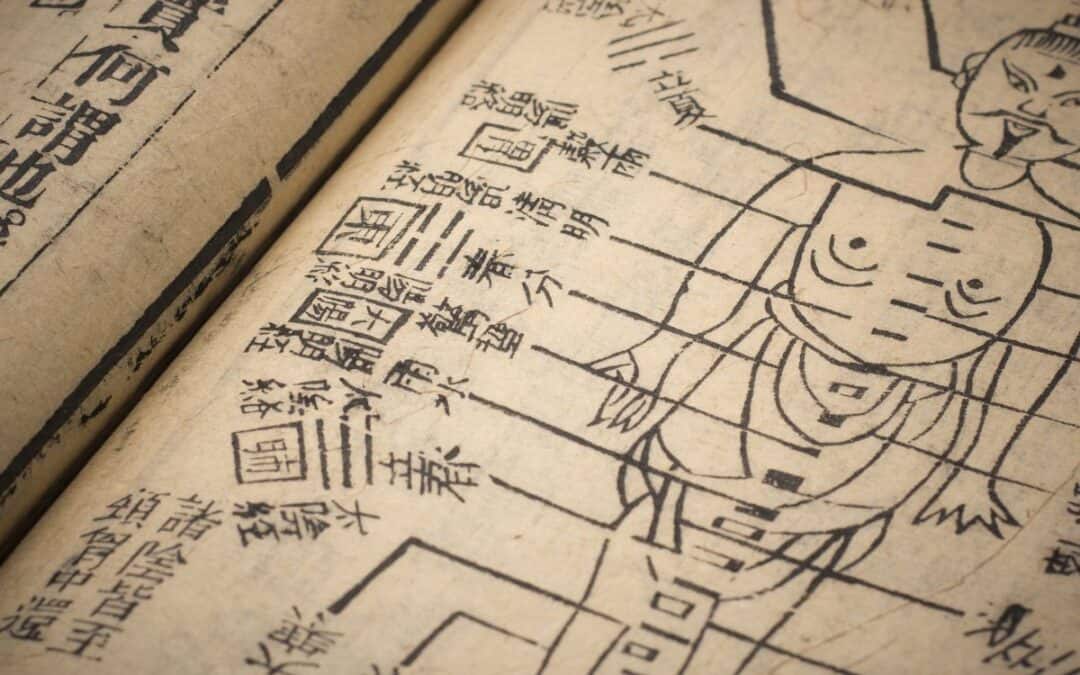
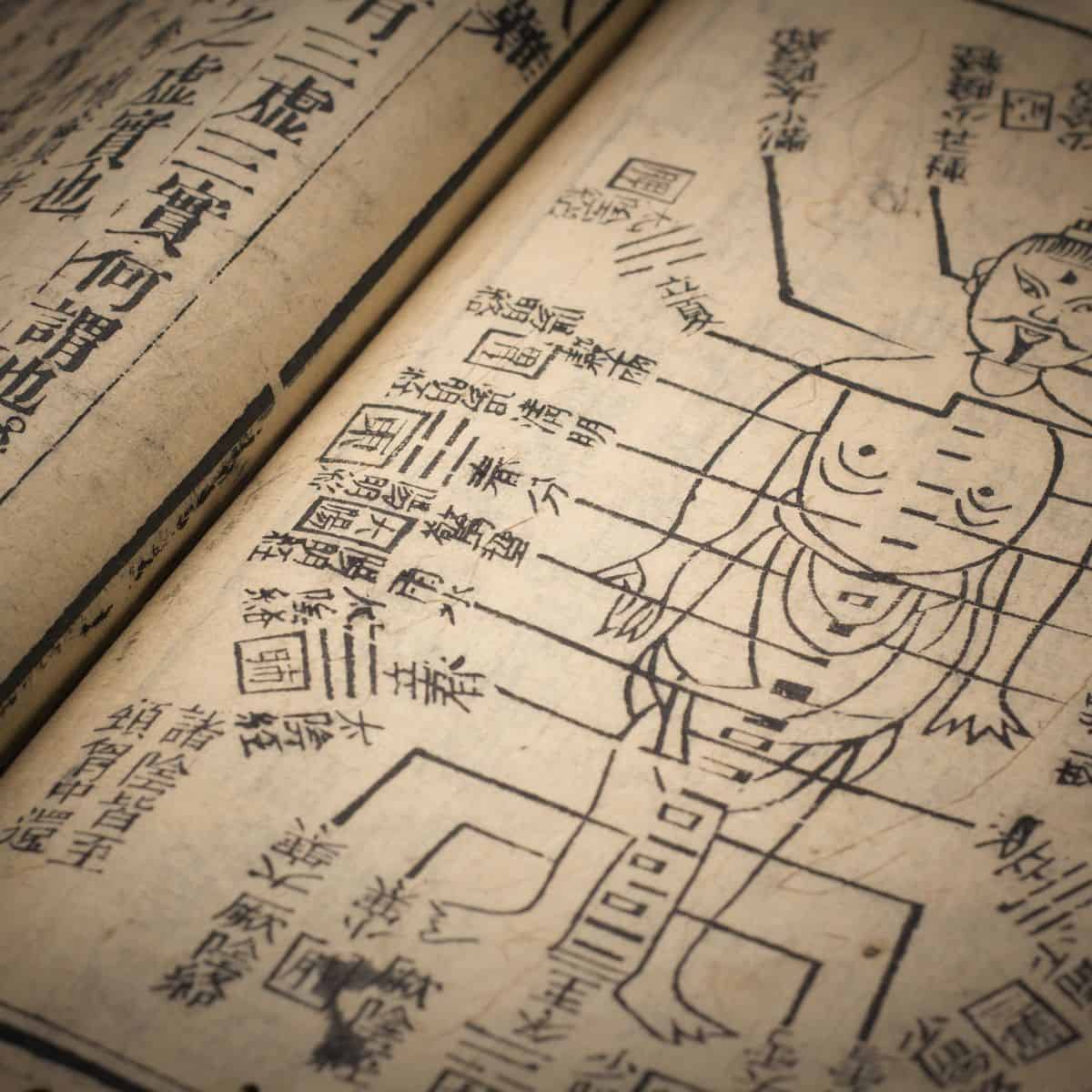
And for me learning the teachings of Traditional Chinese Medicine (TCM), thousands of years old, has taught me more about how we should be listening to our bodies than modern medicine ever has. TCM is one of those extraordinary systems that the more you explore it, the more you realise how profoundly it understood the human body long before modern science had the language to explain why. And what strikes me, is not how complex or overwhelming it is, but actually how beautifully simple and accessible so much of it is.
TCM is about balance. The idea that our bodies are not isolated machines to be fixed when they break down, but living dynamic systems deeply connected to the natural world around us. The changing of the seasons, the food we eat, the way we breathe, the quality of our sleep, the emotions we carry. In TCM you begin to appreciate that all of these things matter and all of them are connected.
Which is why we explore the connection between ancient healing traditions and modern integrative practice as part of our NCIM masters Diploma in Integrative Healthcare. The concepts of lifestyle and prevention over cure, alignment with our bodies daily rhythms and the seasons and that our health is deeply connected to the world around us fits perfectly into the ethos of Integrative Medicine. What I love most about TCM is that it never separates the mind from the body, the person from their environment, or the patient from their life story. In so many ways, it captures everything we now talk about in Integrative Medicine – the importance of the whole person, the role of nature, the wisdom of prevention over cure. If this resonates with you, you can read more about it here:
Diploma in Integrative Healthcare – NCIM – National Centre for Integrative Medicine
So how might we weave a little of this ancient wisdom into our everyday lives? Here are a few of my thoughts based on what I have learnt from TCM.
Eat with the seasons. TCM has always emphasised eating foods that align with the time of year. In spring, think fresh greens and lightly cooked foods that support the liver and gently wake the body up after winter. In autumn, warming soups and root vegetables that ground and nourish.
Pay attention to your energy, not just your symptoms. In TCM the concept of Qi, our vital life force, is central to everything. When we feel persistently tired, stuck, irritable or foggy, TCM would invite us to ask not just what is wrong, but where the flow of energy in our lives has become blocked or depleted. Sometimes the answer is as simple as getting outside, moving the body gently or finally having that conversation we have been avoiding.
Simple acupressure. You do not need needles to benefit from some of the principles of acupuncture. Simple acupressure points, like the space between your thumb and index finger known as Large Intestine 4, can be gently pressed for a few minutes to help relieve tension headaches and stress. It costs nothing and you can do it at your desk.
Rest is not laziness. In TCM the hours between 11pm and 3am are considered the most restorative for the liver and gallbladder. Getting to bed at a reasonable hour is not indulgent, it is deeply intelligent self care. Something I have to remind myself of regularly.
Breathe with intention. Slow, deep, diaphragmatic breathing is one of the simplest ways to support the lung energy that TCM holds in such high regard, particularly in autumn and winter. Even five minutes of conscious breathing in the morning can shift the entire quality of your day.